Our Sustainability Goal
Our commitment to excellence isn't just on the track — it encompasses everything we do. We recognize the importance of responsible, sustainable practices, not just in how we design and build our car, but also in how we engage with our community and manage our environmental impact.
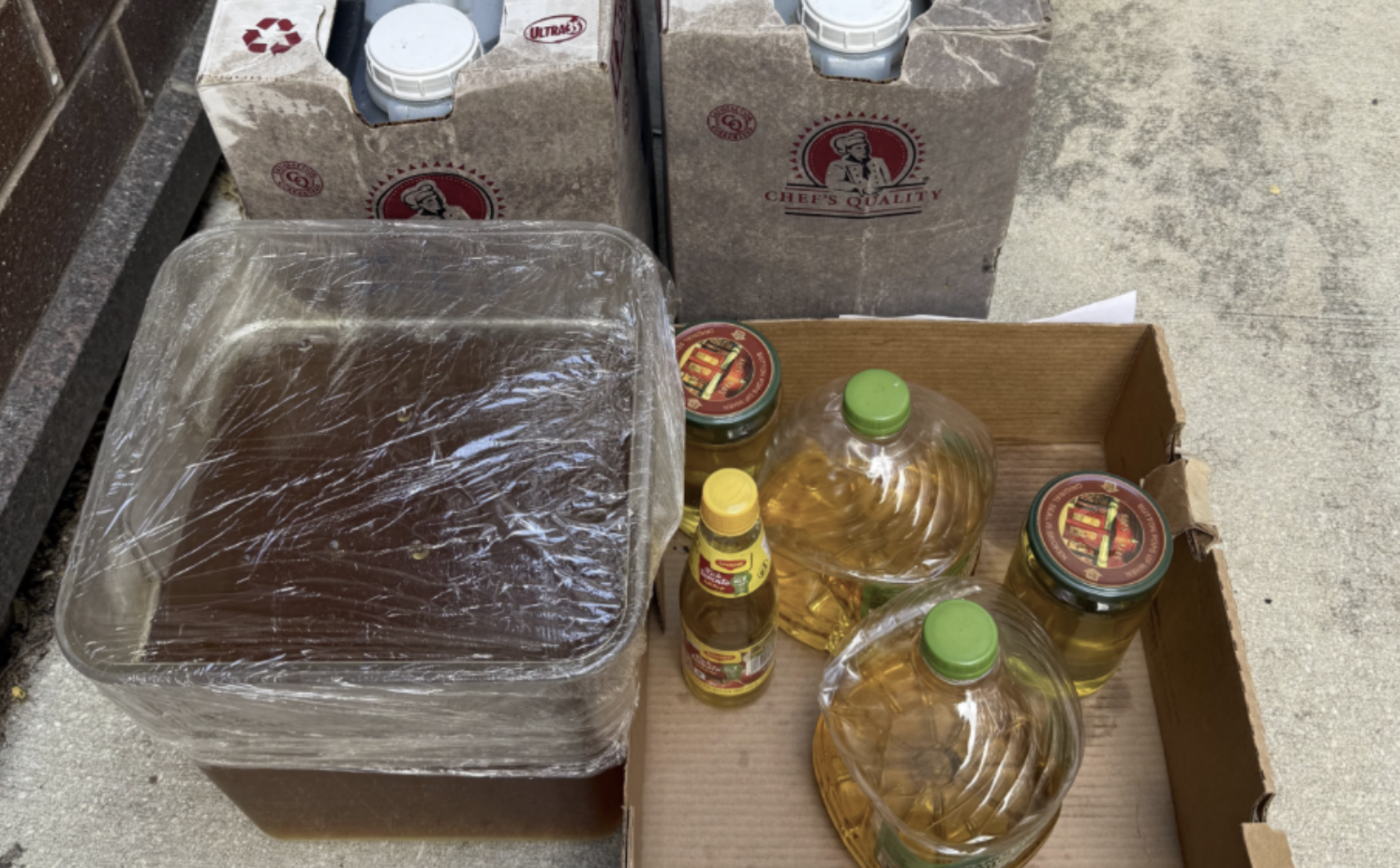
This commitment is exemplified by our latest initiative: a community cooking oil drive. We are launching a program to collect used cooking oil from residential buildings across Chicago. This initiative is a practical step toward reducing waste and promoting resourcefulness. Once collected, the used oil will be donated to facilities where it can be repurposed as biofuel. This conversion helps to create a cleaner energy source, diverting waste from landfills and reducing reliance on fossil fuels.
This drive represents our belief that impactful sustainability efforts can originate from various sources, extending beyond the confines of the race track. By engaging directly with Chicago residents, we aim to facilitate a simple yet meaningful contribution to environmental well-being. It's an opportunity for our team and the broader community to collectively participate in a tangible act of resource recovery and sustainable energy promotion.
The cooking oil drive is one of several ways Aeros Racing is integrating sustainable practices into our activities. We continually evaluate our material usage, energy consumption, and waste management to identify areas for improvement. Our aim is to foster a culture where environmental responsibility is as integral to our success as our performance on the circuit. We believe that by championing such initiatives, we can contribute to a more sustainable future, both within the STEM Racing community and the communities we operate in.
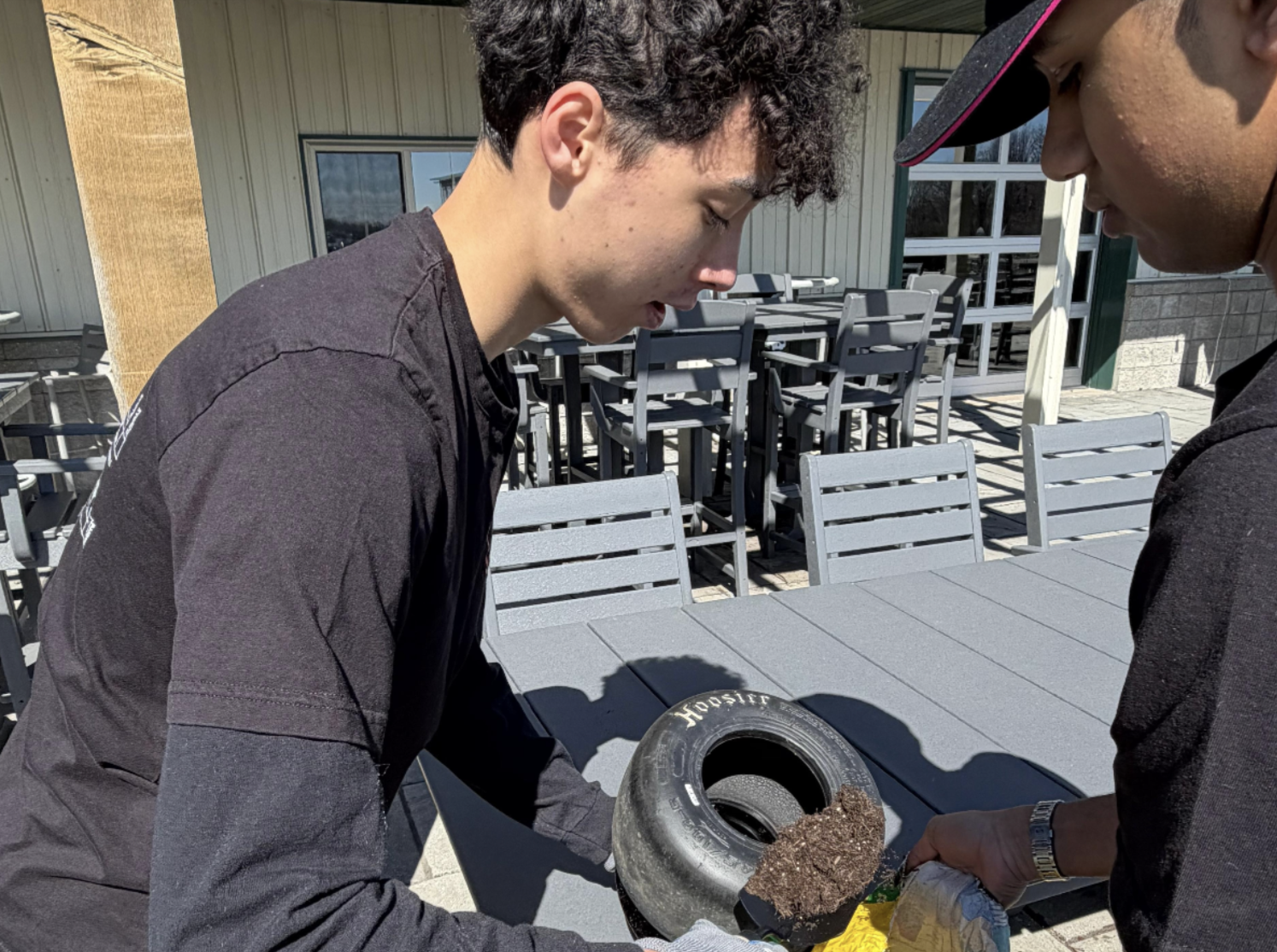
We repurposed used racing tires from Autobahn Country Club Racing into planters and custom lamps for our sponsors, giving them a second life instead of discarding them. This reduces waste, promotes sustainability, and turns high-performance materials into meaningful, upcycled designs.
Through a cooking oil initiative with the Loyola University School of Environmental Sustainability, we gathered used oil from 2 restaurants, our school's catering company, and 3 residential buildings across Chicago. This collected oil was donated to the Searle Lab at Loyola University, where it was converted into biodiesel — powering campus buses and generating eco-friendly soap used across campus. The biofuel process mirrors what the FIA adopted in this year's Formula 1 season.
Plant Chicago is a local nonprofit advancing sustainability, urban agriculture, and circular food systems, and we've partnered with them for over 3 years. Our volunteers helped maintain and build out their aquaponics farm, cared for livestock, and supported daily farm operations, while also leading educational sessions on climate change, sustainable materials, and recycling for local schools and organizations. This year we set out to add 30 volunteer hours and landed at about 20 — short of our goal, but still enough to help put fresh food into the hands of families in need.
In partnership with the Junior Board of the American India Foundation (Jr. AIF), we gave 5 retired pit display vinyl banners a second life, cutting and resewing them into functional zippered pouches instead of sending them to a landfill. Reusing existing material meant we didn't need to manufacture anything new, cutting down on the resources and emissions that come with production. The finished pouches were donated to underserved students in India, stretching the impact from our pit display all the way to their classrooms.

SparkShop is a nonprofit which provides small engineering challenges to schools around Chicago. Their mission of educating and instilling a love of STEM in young kids aligned perfectly with our social sustainability goals. In partnership with SparkShop, we created an introductory kit for STEM Racing — designed to lower the barrier to entry for new teams, particularly those from underrepresented communities, by sharing our hard-won experience.
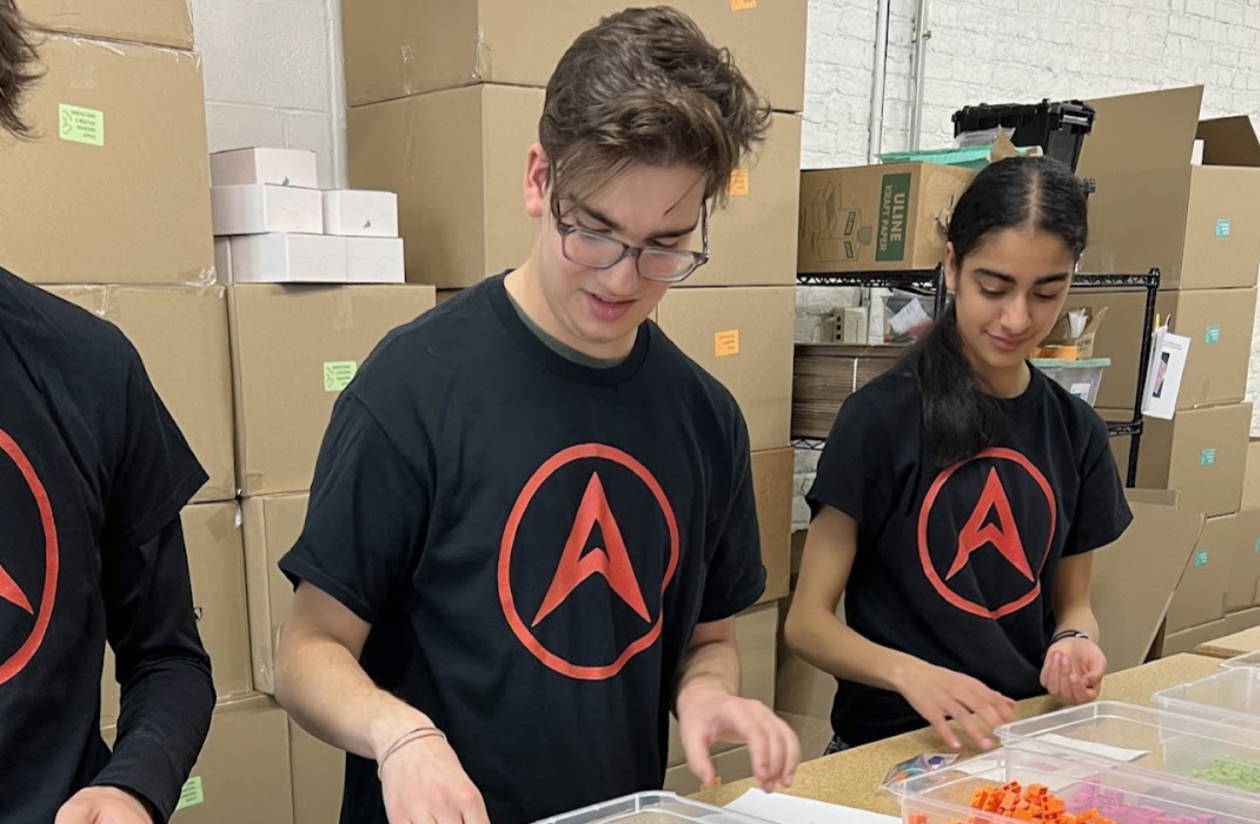
Knowing how much STEM Racing changed our lives, we collaborated with middle school robotics teams and science classes to spark interest in engineering and technology. We also started a learning track which introduced the program to prospective new members — a low-stakes gateway to the Aeros Racing team that lets participants understand the implications of joining before committing.