Engineering

The Car Behind
It All.

Every tenth of a second is earned through precision design, iterative testing, and a relentless drive to improve. Here's how we built the fastest STEM Racing car in the US in 2026.

01 — Brainstorming

Every Car Starts
with an Idea.

We begin by sketching out different concepts and thinking through what could make our next car faster, lighter, or more efficient. We look at what worked (and didn't work) in past designs, both our own and from other teams around the world. At this stage, we don't throw out any ideas, no matter how wild. Innovation starts with curiosity.
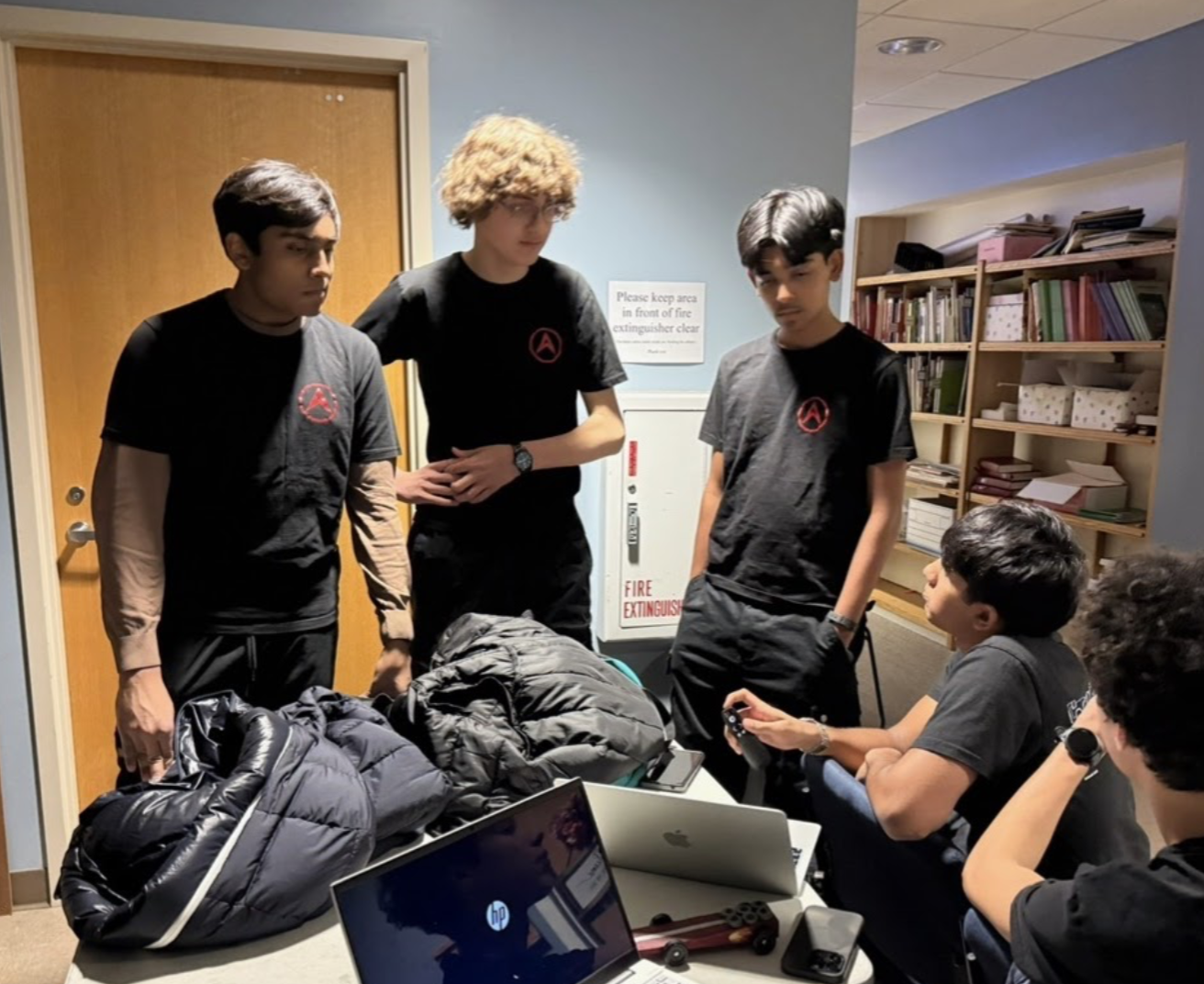
Brainstorming
02 — Design

Built Digitally.
Down to the Millimeter.

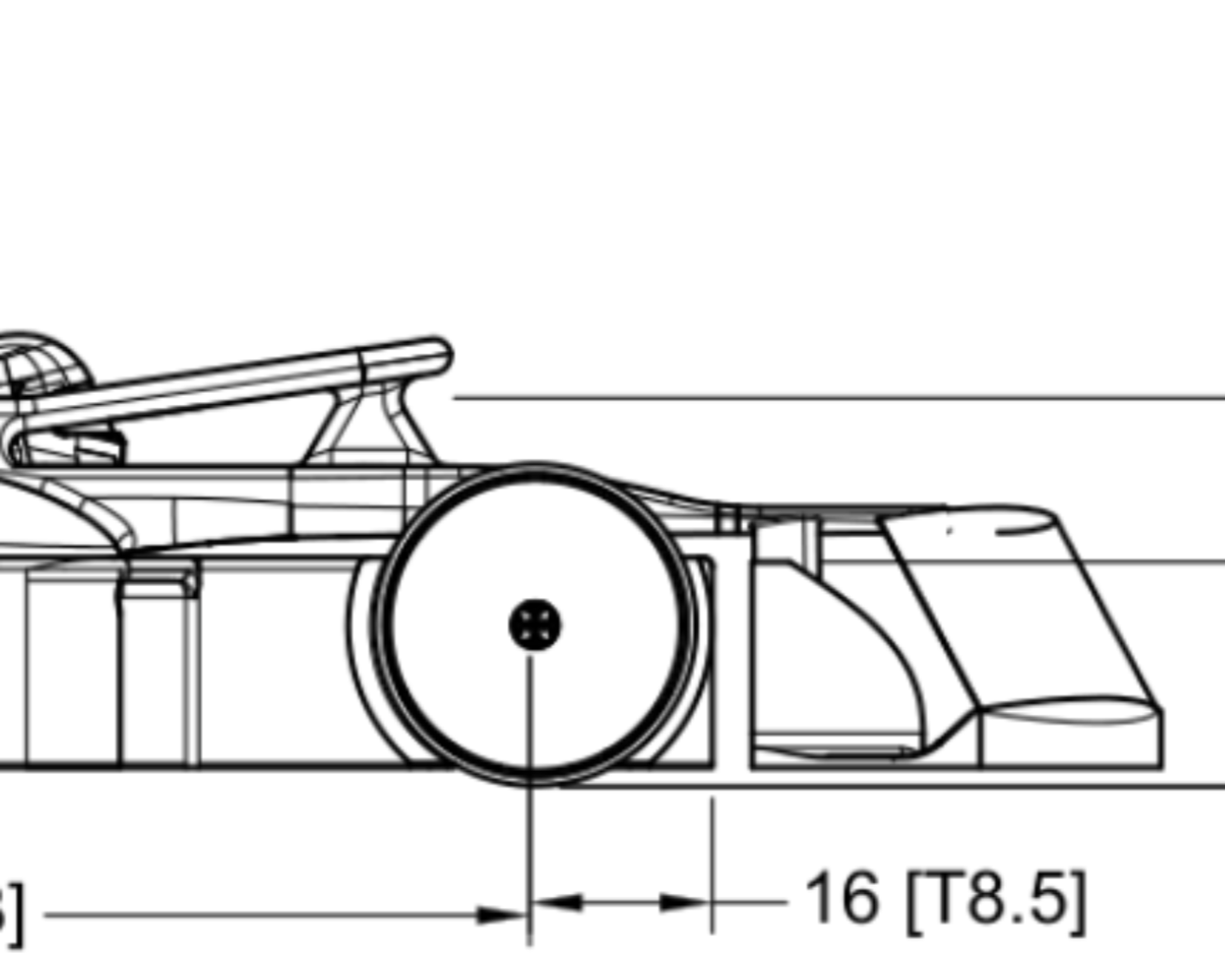
Once we have promising ideas, we start building them digitally using CAD software. This lets us create 3D models of the car and make precise adjustments down to fractions of a millimeter. We make sure every part follows official STEM Racing regulations and fits together perfectly.

Design
03 — Simulation

Test Everything.
Before It Exists.

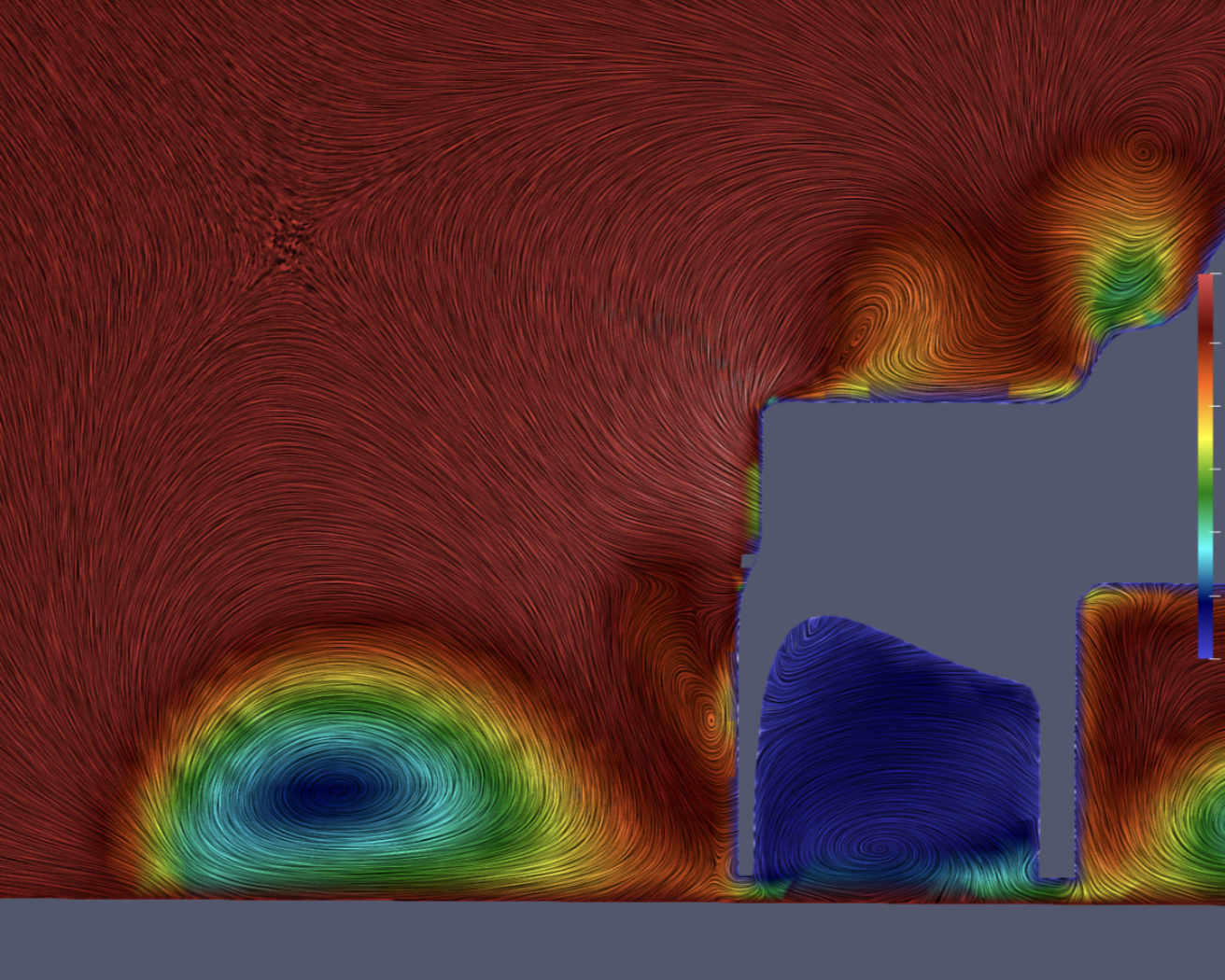
Using digital tools, we test how air flows around the car at high speeds — just like real F1 teams do. This is called Computational Fluid Dynamics (CFD). It shows us where air creates drag or downforce. We additionally utilize Finite Element Analysis (FEA), structural simulation which allows us to analyze points of stress and weakness on our parts, making sure they can withstand racing without ever needing to manufacture them first.

Simulation
04 — Manufacturing

From CAD
to Car.

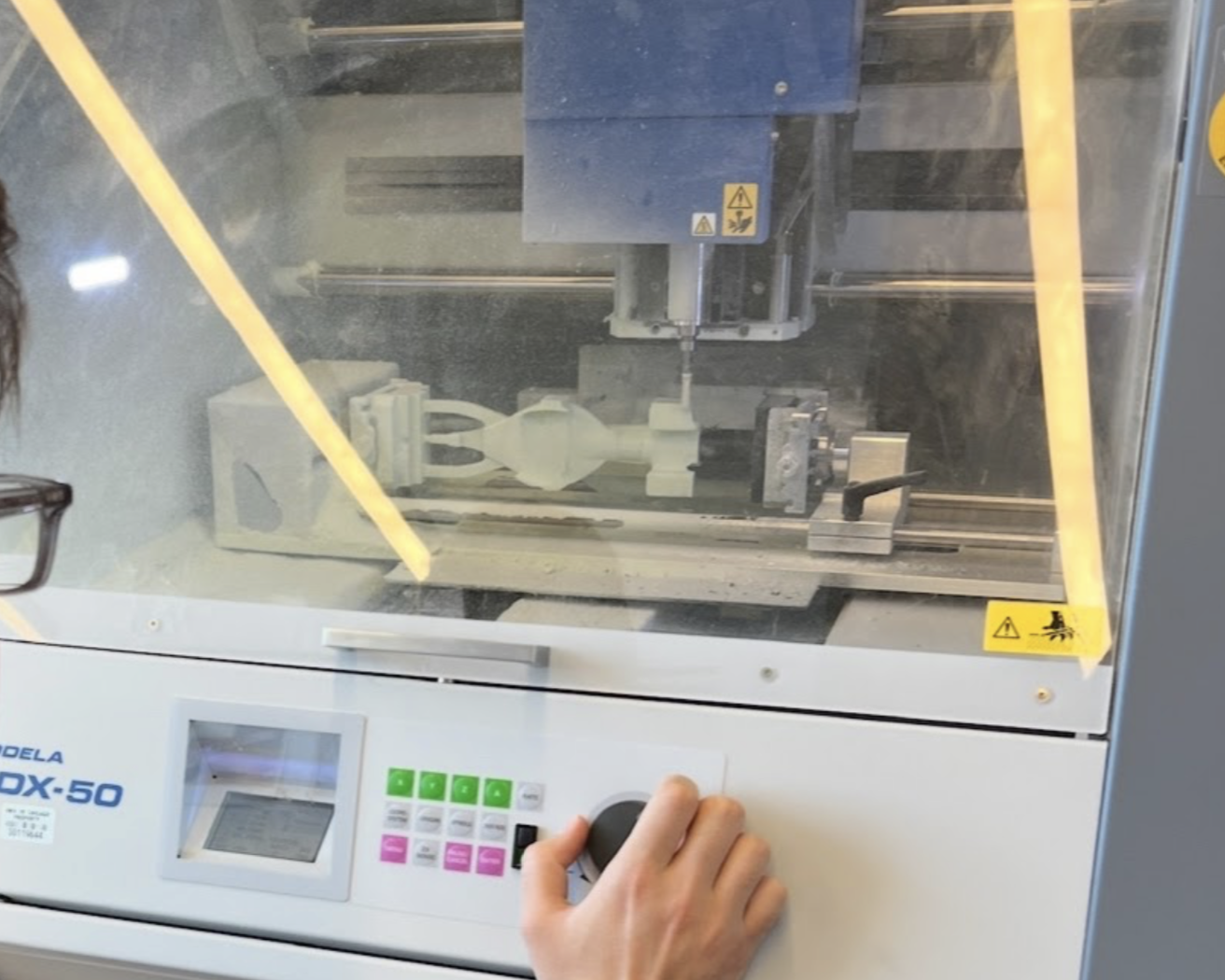
Once the design is finalized, we bring it into the real world. Most of our car is created using a CNC mill, which precisely carves parts from solid blocks of material, and SLA 3D printers, which let us produce complex shapes that would be difficult to make by hand. Every component is carefully assembled, sanded, and aligned by hand to reduce imperfections and ensure top performance.

Manufacturing
05 — Testing

Iterate Until
It's Perfect.

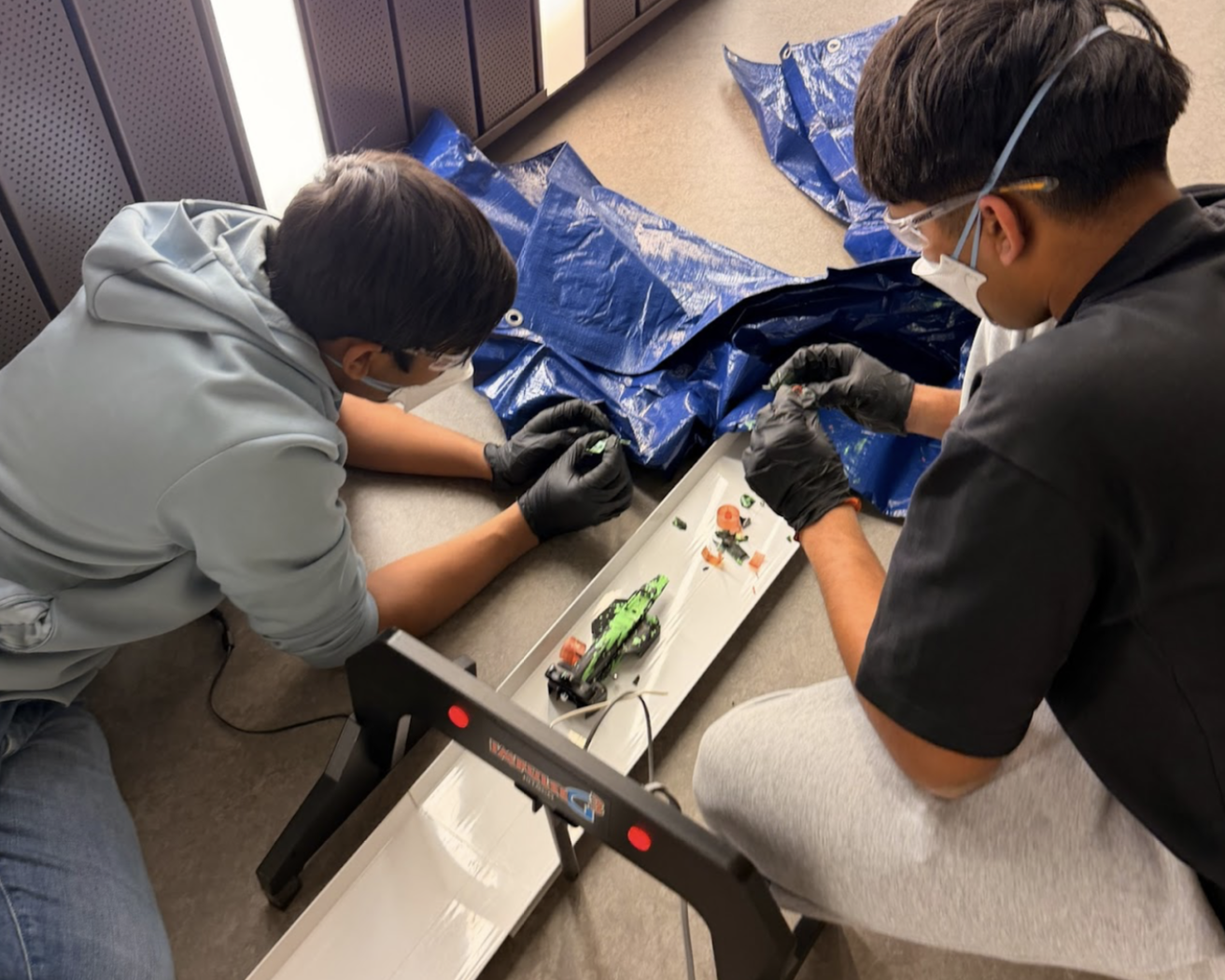
After the car is built, we run physical tests. We look at how the wheels spin, how much friction is in each part, and how the car launches off the line. We often go back, tweak things, and try again — because even the smallest improvement can mean winning or losing a race.

Testing
06 — Racing

50 MPH.
1.5 Seconds.

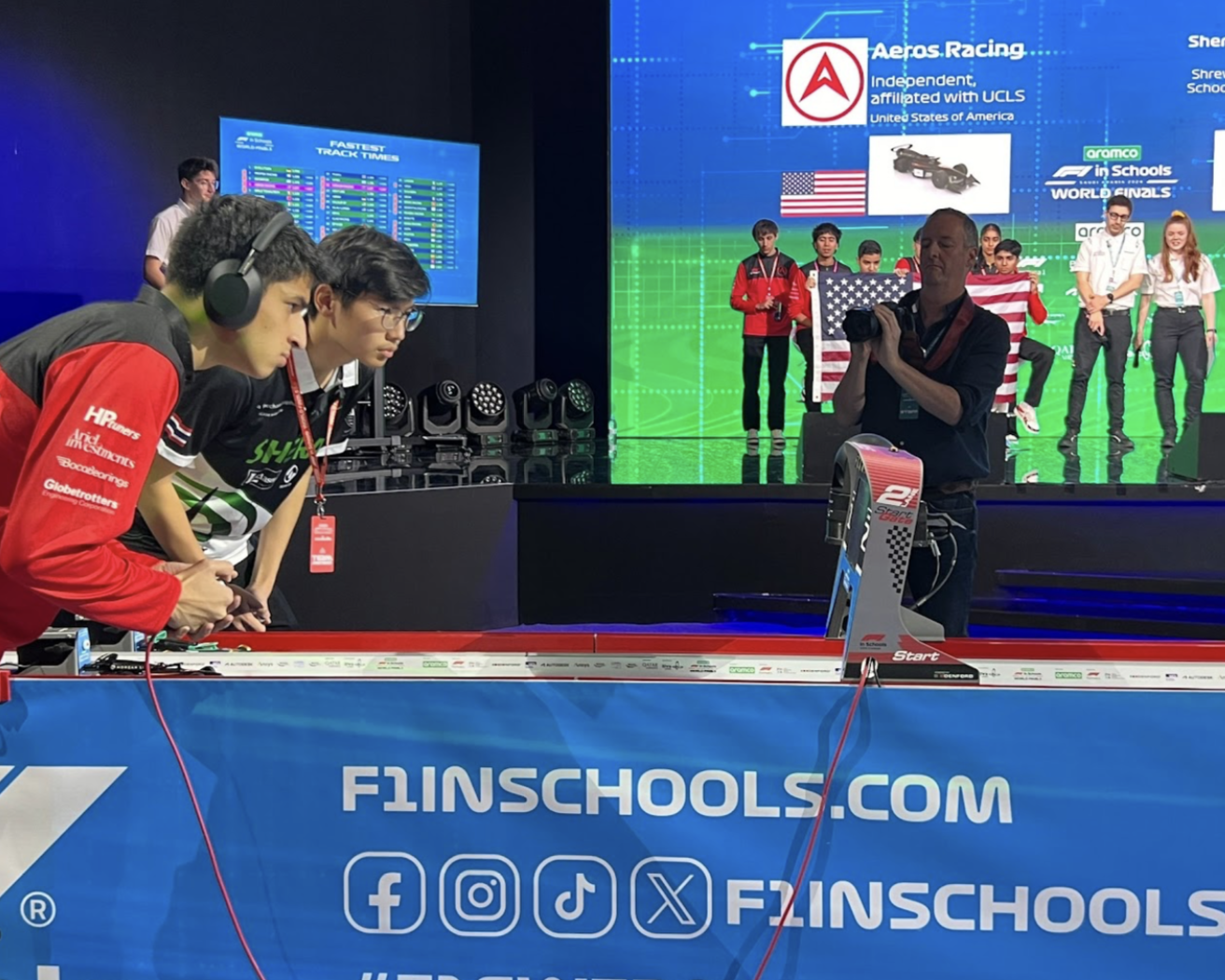
Race day is where everything comes to life. Our car is launched down a 20-meter track by a CO₂ cartridge, hitting speeds over 50 miles an hour in just over a second. But it's not just about being fast — judges also evaluate our design, manufacturing, and engineering decisions. We present our work, explain our choices, and compete head-to-head with teams from around the world.

Racing
Platinum Partners
Gold Partners
Silver Partners